Watch Charts & Chat from September 27, 2026 with Boyce & Associates. Review the bond sell-off, rising yields, deficits, and AI spending risks today.
Explore the latest market and economic insights from Boyce & Associates, covering energy, interest rates, inflation, retail sales, and earnings trends.
Watch Charts & Chat from September 13, 2026 with Boyce & Associates. Review market trends, charts, and insights to support informed decisions.
Eric Boyce, CFA reviews the September 2026 outlook: cooling inflation, a softer labor market, rising long-term yields, and why discipline matters now.
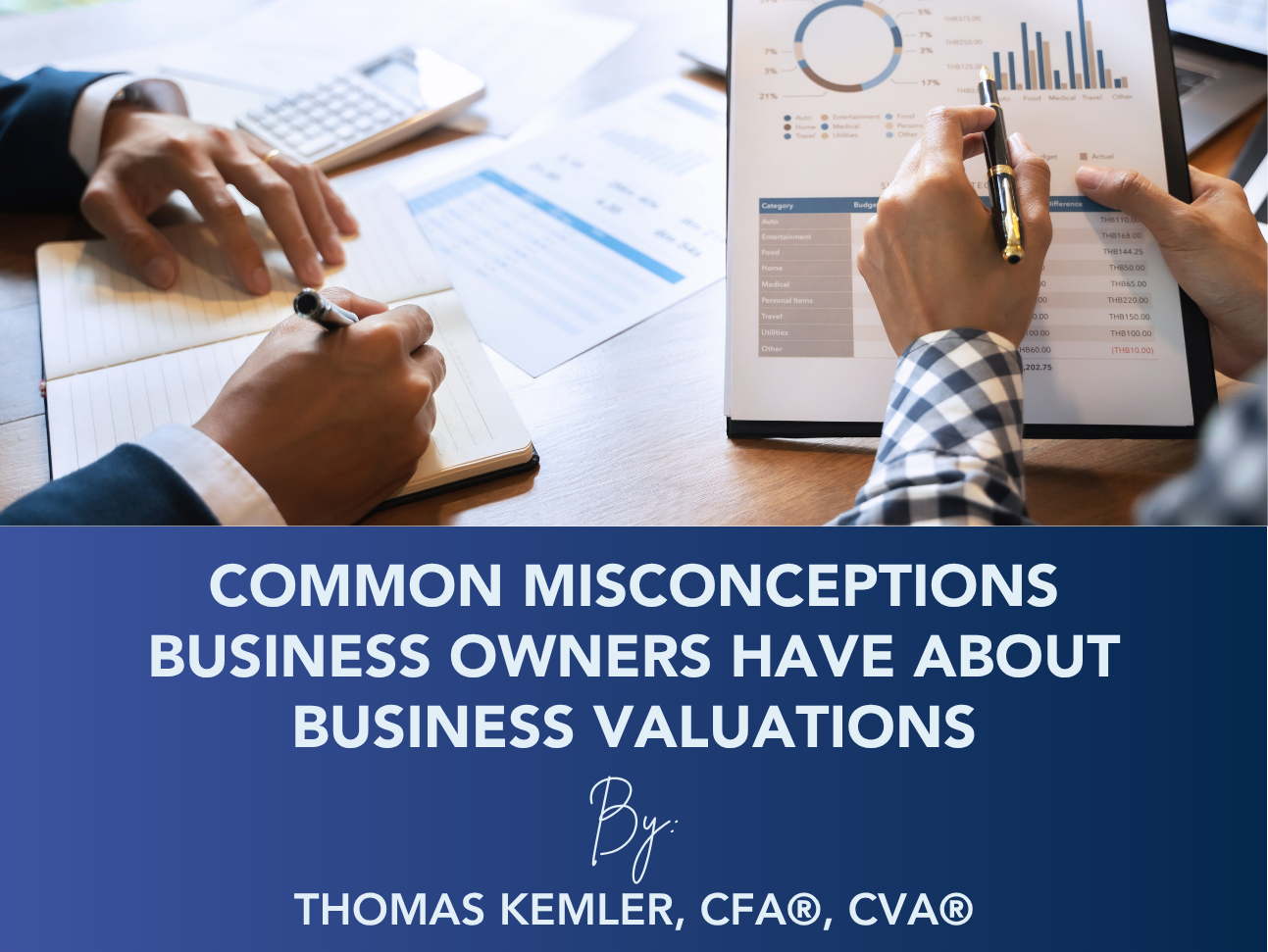
Think your business is worth 5X EBITDA? Learn the common business valuation misconceptions owners believe and what actually drives value.

A long-term investment advisor Cedar Park families trust. See what to expect and how Boyce & Associates Wealth Consulting, Inc. builds the relationship.
Watch Charts & Chat from August 23, 2026 with Boyce & Associates. Review market trends, charts, and insights to support financial decisions today.
Watch Charts & Chat from August 16, 2026 with Boyce & Associates. Review market trends, charts, and insights for informed financial decisions today.

What does fee-only financial planner Texas mean? Learn how it differs from fee-based advice and what to ask before choosing an advisor.
Watch Charts & Chat from August 9, 2026 with Boyce & Associates. Review market trends, charts, and insights to support informed financial decisions.